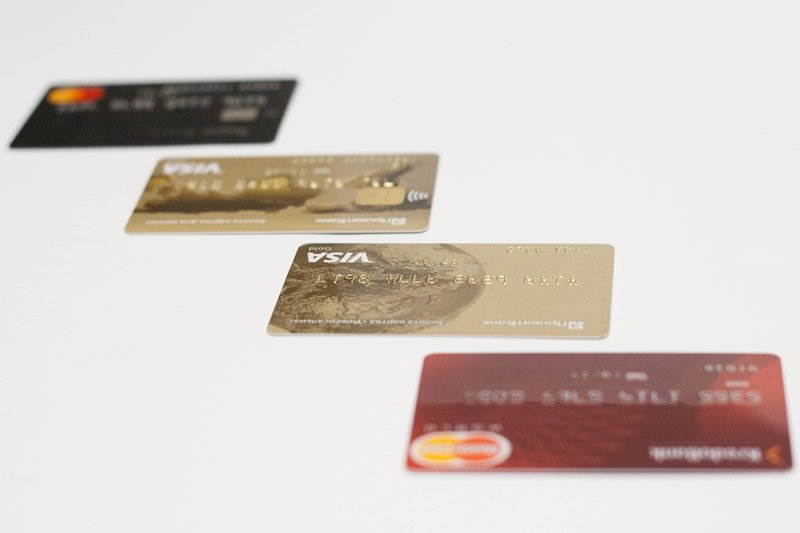
Credit Card Debt Management Tips for Pakistanis
Credit card debt can quickly spiral out of control if not managed wisely. In Pakistan, with rising inflation and easy credit access, many people fall into the trap of paying only minimum balances while interest accumulates rapidly. The good news is with a few smart steps, you can take back control of your finances and pay off your debts efficiently.
Understand Your Credit Card Debt
The first step toward credit card debt management is awareness. List down all your cards, outstanding balances, interest rates, and due dates. Many Pakistanis use multiple cards without realizing how much they owe overall.
- Total Debt: Calculate how much you owe on each card.
- Interest Rate: Identify which card charges the highest rate.
- Minimum Payment: Note what the bank requires monthly to avoid penalties.
This gives you a clear picture of where to start.
Create a Realistic Budget
A proper budget helps you track where your money goes. List your monthly income and expenses. Reduce non-essential spending like dining out or online shopping. Allocate a fixed portion of income to debt repayment each month.
- Use budgeting apps or Excel sheets.
- Prioritize necessary expenses like rent, utilities, and groceries.
- Set a goal to free up at least 20% of income for debt payments.
Pay More Than the Minimum
Paying only the minimum amount keeps you trapped in debt for years. Try to pay double or triple the minimum if possible. This reduces your principal faster and minimizes interest charges.
Use the Debt Snowball or Avalanche Method
There are two effective repayment methods:
- Debt Snowball: Pay off the smallest debt first to build motivation, then move to the next.
- Debt Avalanche: Focus on the debt with the highest interest rate first to save money long-term.
Both strategies work choose the one that suits your psychology and income flow.
Negotiate with Your Bank
Many banks in Pakistan such as HBL, MCB, and Standard Chartered offer debt restructuring or balance transfer programs. You can request a lower interest rate or transfer your debt to another card with a 0% promo offer for a few months. Always communicate with your bank if you’re struggling to pay on time it’s better than defaulting.
Avoid Using Credit Cards During Repayment
Stop using your cards while paying off old balances. Otherwise, your payments will barely cover interest charges. Try to switch to cash or debit cards for daily expenses.
Build an Emergency Fund
Unexpected expenses often lead to more credit card debt. Start saving small amounts monthly to build a fund worth 3–6 months of expenses. This helps you avoid using credit for emergencies.
Consider a Personal Loan to Consolidate Debt
In some cases, a personal loan with a lower interest rate than your credit card can help you consolidate multiple debts into one manageable payment. Compare options with Pakistani banks like Meezan Bank, UBL, and Bank Alfalah.
Seek Financial Counseling
If you feel overwhelmed, professional financial counselors can guide you. Organizations like the Pakistan Microfinance Network and some NGOs offer free financial literacy sessions.
Stay Disciplined and Track Progress
Debt repayment is not a one-time effort it’s a mindset. Celebrate milestones like clearing your first card or hitting 50% debt reduction. Stay consistent and avoid falling back into unnecessary spending habits.
Final Thoughts
Managing credit card debt in Pakistan requires awareness, planning, and discipline. Whether you use the snowball or avalanche method, the key is to start now. The sooner you commit to paying off your debt, the faster you’ll regain financial peace and stability.